Blue Bar Bearded Dragon for Sale – Blue Bar Bearded Dragon Rare Color Morph Reptile
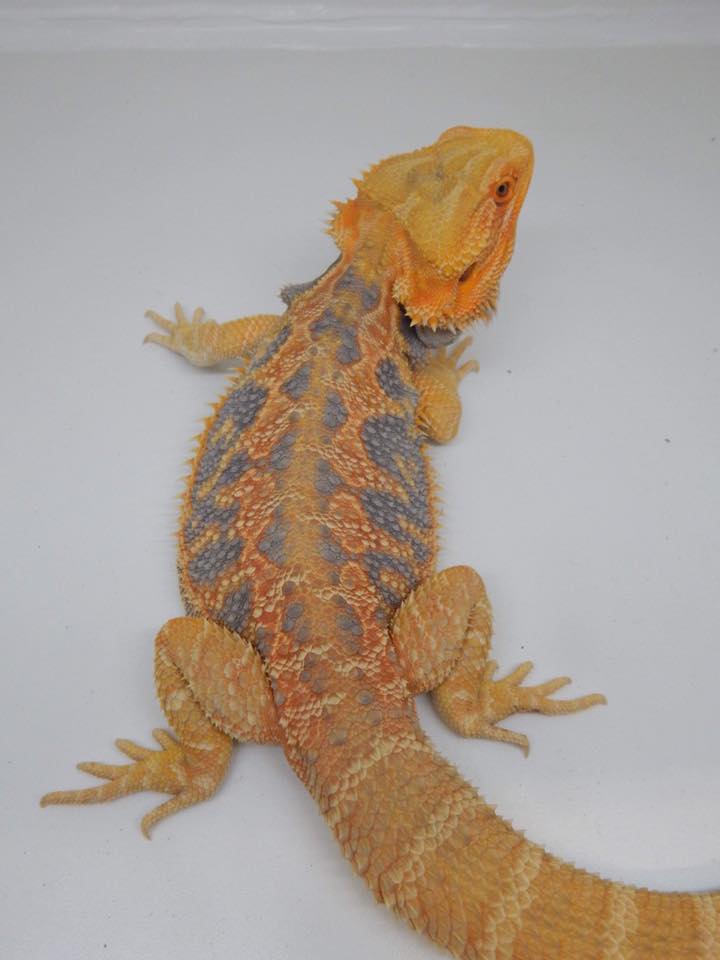
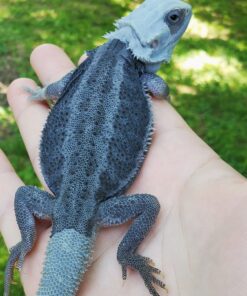
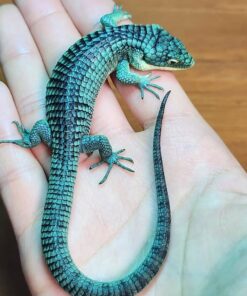
The Blue Bar Bearded Dragon is a popular and visually stunning morph of the Central Bearded Dragon (Pogona vitticeps), known for its striking blue coloration and distinctive bar patterns on its body. These reptiles are not only admired for their beauty but also for their calm demeanor, making them excellent pets for both beginners and experienced reptile enthusiasts.
Characteristics
- 1. Coloration:
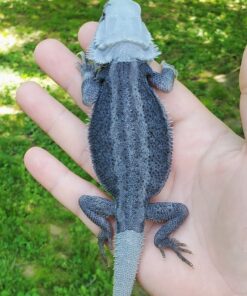
– The Blue Bar Bearded Dragon features a unique blue hue that can vary in intensity. The coloration may change with temperature, mood, and during shedding, leading to a dynamic appearance.
– The “bar” pattern consists of lighter streaks that run horizontally across the body, which adds to its visual appeal. - 2. Size:
– Typically, adult Blue Bar Bearded Dragons reach about 18 to 24 inches in length.
– They have a robust body with a triangular head and a spiky beard that becomes prominent when they feel threatened or during mating displays. - 3. Lifespan:
– With proper care, these dragons can live between 10 to 15 years, making them a long-term commitment for pet owners.
Habitat and Environment
- Enclosure:
– A spacious terrarium that provides ample room for climbing and basking is essential. A minimum of 40 gallons is recommended for adults. - Temperature and Lighting:
– Optimal temperatures range from 95°F to 105°F in the basking area, dropping to about 75°F to 85°F in the cooler section.
– A UVB light source is crucial for their health, helping them synthesize vitamin D3 for calcium absorption. - Substrate:
– Avoid sand or any loose substrate that could cause impaction. Instead, consider using reptile carpet, tile, or paper towels for easier cleaning and safety.
Diet
- – Insects:
– Blue Bar Bearded Dragons are omnivores and require a varied diet. They typically eat crickets, dubia roaches, and mealworms. - Vegetation:
– Leafy greens (like collard greens, mustard greens, and dandelion greens) and non-toxic vegetables (like squash and bell peppers) should make up a significant portion of their diet. - Supplements:
– Calcium and vitamin D3 supplements are advised, especially for young dragons and those not getting enough UVB exposure.
Handling and Care
- -Temperament**:
– These dragons are generally friendly and tolerate handling well, making them suitable for families and individuals. Regular handling can help them become accustomed to human interaction. - Hydration:
– Provide a shallow dish of water and mist the enclosure occasionally. Bearded dragons will often soak in water to hydrate and help with shedding.
Health Considerations
- Signs of Illness:
– Be observant for signs of health issues such as lethargy, loss of appetite, abnormal feces, or any changes in behavior. Regular veterinary check-ups are advisable. - Shedding
-Regular shedding is normal, and providing a humid hide can aid in the shedding process.
Conclusion
The Blue Bar Bearded Dragon is an impressive and captivating reptile that adds color and life to any collection. Its manageable size, calm nature, and relatively straightforward care requirements make it an attractive choice for reptile enthusiasts. By providing a well-maintained habitat, proper nutrition, and social interaction, owners can enjoy a rewarding experience with their Blue Bar Bearded Dragon for many years.
Be the first to review “Blue Bar Bearded Dragon”
Related products
Monitors and Uromastyx
Bearded Dragons

Bearded Dragons
Bearded Dragons
Bearded Dragons
Bearded Dragons

Bearded Dragons

Alligators
Reviews
There are no reviews yet.